
AI has changed SEO over the past few years. Bloggers, webmasters, and SEO specialists are going nuts due to these drastic changes. We were used to traditional SEO, and it was fun. But since AI is in control of everything, with AI algorithms dictating new SEO principles, it goes without saying that we are no longer safe if we stick to the old methods of getting our URLs indexed. So, this article is about the best future-proof SEO strategies you can implement in the age of AI. It is expected that these methods will work until 2030, as SEO keeps changing often.
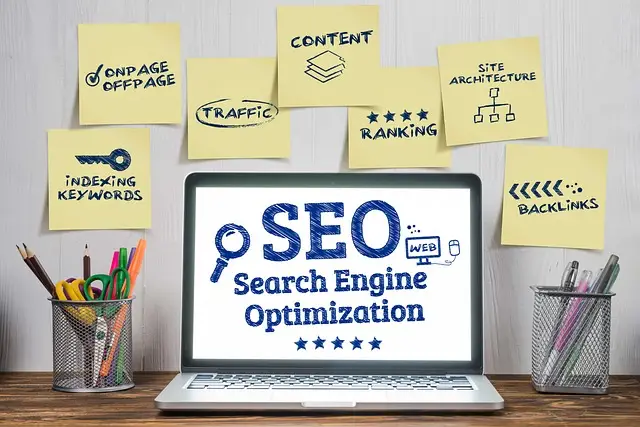
Goodbye, Traditional SEO!
The age of waiting for Googlebot is dead! Remember, we used to submit our websites to Google Search Console, add XML sitemaps, and implement on-page SEO methods for search engines to recognize us. Of course, we still do all of these, except the strategies have changed. Google itself has revised its algorithms since it introduced AI Overviews, another visitor killer for your website. We were in a generation where 'nobody reads'; now, with AI Overviews, nobody is browsing. Even though AI Overviews reference the website links from which they extract their answers, people are still not clicking to read further.
So, What You Should Do To Get Your URL Indexed?
I will give you the top 10 future-proof strategies to get your links indexed faster in the age of AI. If you implement these strategies, I promise you that within days, your website will move out of the sandbox and go live.
- The IndexNow Protocol: As stated earlier, search engines have changed their algorithms. Hence, forget passive crawling. It has become obsolete. Search engines are relying massively on the IndexNow protocol to receive requests the millisecond a page changes. This entirely bypasses the bot discovery queue.
- Original "Information Gain": Webmasters and bloggers are using AI poorly to write their website content. Do you think search engine algorithms are stupid enough to index your AI-generated content? That would make it damn easy to secure your online indexing spot. But it does not work that way, "fortunately"! Search engines are aggressively filtering out AI-generated content that looks repetitive, sloppy, senseless, and meaningless. Your content must offer unique information for the algorithms to favor your website. AI agents and Large Language Models (LLMs) are looking for original data that they have not been fed yet. So, if your content is boring, typical, and repetitive, there is no way these search engines will support your website.
- JSON-LD Structured Data: Did you know that AI crawlers do not read pages visually, but instead parse semantic data? Schema Markup is highly recommended. For example, using schemas for articles, organizations, etc. This enables bots to map your entities so they do not need to guess the content’s context.
- Optimize Server Response Time: This is why page loading time is important, as AI bots love Time to First Byte (TTFB). If your page takes too long to load, well, the bots will avoid it. I highly recommend minimalist layouts. Websites with heavy animations and effects are outdated! They are only good for the eyes, not for the bots.
- Strict Filtering: Pages like tags, archives, and search queries must be highly controlled. They are worthless to search engine algorithms and are considered low-value parameters. Use robots.txt and noindex tags to block them.
- Google Indexing API: Use a service account to force Googlebot to access your URLs directly. Basically, the Google Indexing API is mostly used for job boards and live streams, but you can use it to reduce the sandbox time of your new domain.
- Strategic Internal Linking: Internal linking is an important concept in SEO. I highly recommend using blog posts for this. You will have great opportunities to create internal links when you have more internal pages, obviously! Search engine crawlers actively look for internal links.
- Verifiable Entity Trust: You need to be careful with spam networks. Do not list your URL on just any website. Search engines need to know if your domain is trustworthy. The more you mention it online, the better. Thus, constantly mention your domain on social media platforms like Facebook, Reddit, and Quora, in SaaS directories, or even in this website’s public directory.
- Dynamic XML Sitemaps: It is important and a must to have a dynamic XML sitemap that automatically updates its
lastmodtags when the content on a page changes. This will ping Google Search Console and Bing Webmaster Tools. - High-Velocity Traffic Signals: For this, I recommend promoting your website via social media. Facebook is cheap! Target Tier 3 countries to begin with, as they are cheaper. What you need here is an influx of real human visitors to your website. This spike in visitors will awaken search engines to index the destination URL.
Index Your Site Fast
At IndexYour.Link, our server instantly pings your website URL to IndexNow and Googlebot. This will massively decrease your sandbox time. Additionally, you will get a free backlink in the public directory, which is constantly crawled via the dynamic XML sitemap.
Conclusion
To conclude, this article has revealed the importance of the IndexNow protocol, as well as other strategies to implement to get your website indexed in the age of AI.
Admin
September 21, 2026
READ NEXT: AI Overviews Killing Traffic? 3 SEO Fixes